Mentoring has changed because science has changed. My job is no longer to hand a trainee a single question and expect them to spend years on it. It is to teach them the entire cycle of drug development and give them the freedom to build within it.
To see why, it helps to look back. In the 1970s, we launched moonshot programs to dig deeply into the basic science of biology, especially in cancer. That era gave us a foundational understanding of genes, proteins, and pathways that did not exist before.
Back then, training a graduate student to drill into a single protein or gene was enormously valuable. We did not yet understand these molecules. A scientist could build an entire career around just one of them. That was the right model for its time.
Today the situation is different. We stand on decades of foundational knowledge, and that changes what a trainee must learn. Studying one gene in isolation is no longer enough. The essential skill now is knowing how to use all of this accumulated knowledge to build therapies and move them into the clinic.
What I try to teach
I describe the goal as bench to business to bedside. A discovery that stays in the laboratory helps no one. Commercialization is the only path that delivers a drug to the patients who need it. So I want my trainees to gain fluency not only in biology, but in how a therapy actually gets built and brought to market.
The tools of this moment make that ambition realistic. With AI and modern computational methods, we can shrink the time from an idea to clinical investigation. We can build durable companies around promising assets. We do not fully understand biology yet, and we certainly do not fully understand drugs. But we finally know enough to start building successful therapeutics, and to train young scientists to build them.
How the lab makes this possible
The Huang Lab is well positioned to mentor this way. We collaborate with many pharmaceutical companies, including partners with FDA-approved assets and assets under active clinical investigation. We work on programs at every stage of the pipeline, from in silico discovery to in vitro hit testing to in vivo validation to IND-enabling studies and clinical trials.
Because we operate across that whole spectrum, I can train my people to understand each phase and how the pieces connect. I also give trainees the flexibility to explore these angles for themselves. That is how real scientist-entrepreneurs are formed.
The scientist this age demands
The scientist this new age demands looks different from the one we trained a generation ago. This person has the scientific rigor of a classically trained researcher. This person also has the drive and skill to translate discovery into something that reaches patients. This person does not wait for permission to build.
I want to be clear that commercialization is not a distraction from science. It is the completion of it. When I teach a trainee to carry a discovery from the bench toward the patient, I am not pulling them away from research. I am showing them what research is finally for.
Closing
This is what mentoring means to me now. I teach the whole arc, not a single question. I give trainees room to build, and I expect them to use it. Turning science into medicine is a worthy ambition, not a departure from real research. That is the message I want every trainee to carry forward.
The views expressed in Perspectives are those of the author and are intended to spark
discussion. They do not constitute medical advice.
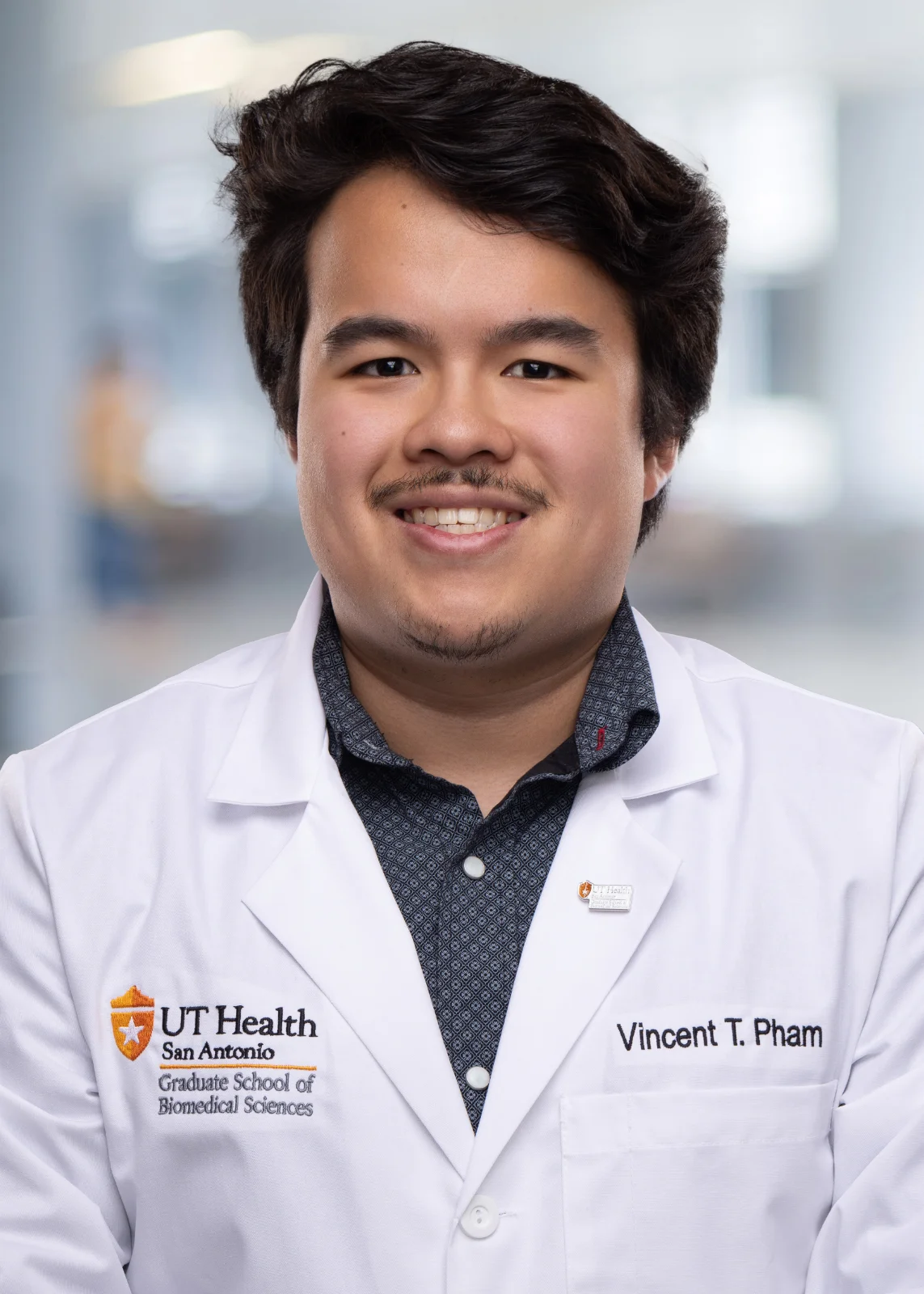 Vincent T. PhamCancer Biology PhD Candidate, Huang Lab · Co-Founder and CEO, Powerhouse Therapeutics